Unlock Your Hair's Potential: The Year-Long Secret to Natural, Firm Curls
Are you tired of grappling with frizzy hair, longing for defined curls, or simply seeking a non-toxic alternative to conventional styling products? For decades, countless individuals have turned to store-bought gels, often unaware of the harsh chemicals and drying alcohols lurking within. But what if we told you there's a timeless, all-natural solution that not only delivers incredible hold and frizz control but also nourishes your hair from within?
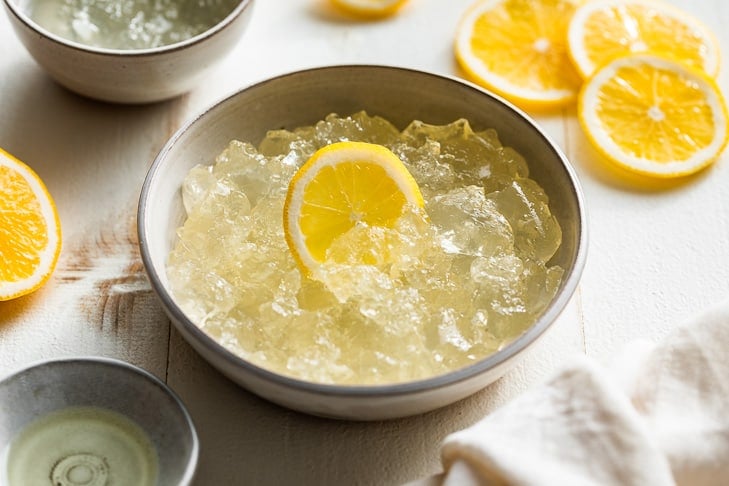
Imagine a hair gel crafted from simple kitchen ingredients, offering a flexible yet firm hold that lasts all day, without the sticky residue or brittle feel. This isn't a new fad; it's a cherished family secret that has been perfected over two decades – a testament to its effectiveness and enduring appeal. We're talking about the incredible DIY Lemon Hair Gel: Easy Frizz Control & Natural Hold, a gelatin-based marvel that has transformed hair routines for curly, wavy, and even straight-haired individuals alike.
The Allure of Natural Hair Care: Why Go DIY?
The journey towards a more natural lifestyle often begins with the food we eat, but it quickly extends to what we put on our bodies. In the early 90s, when natural and organic options were scarce, pioneering spirits began exploring homemade alternatives for bath and body products. This movement, born out of necessity, laid the groundwork for today's thriving natural beauty landscape. While times have thankfully changed and more natural products are available, the allure of DIY remains potent, offering unparalleled control over ingredients and significant cost savings.
Commercial hair gels, in particular, are notorious for their ingredient lists. Many contain alcohols that, while providing a quick-drying effect, can severely dehydrate hair over time, stripping natural oils and leading to weakened strands and increased breakage. Synthetic fragrances, parabens, phthalates, and harsh polymers are also common culprits, contributing to scalp irritation, product buildup, and potential long-term health concerns. When you choose to make your own natural hair gel, you consciously opt out of this chemical cocktail, embracing a purer, kinder approach to hair care.
Beyond the health benefits, the economic advantage is undeniable. Crafting your own hair gel costs mere pennies compared to premium store-bought brands. This affordability ensures that high-quality, effective hair care is accessible to everyone, making it a sustainable choice for both your wallet and the planet. This brings us to a fundamental question: why continue to pay a premium for toxic ingredients when a superior, all-natural alternative is within reach? For more on the financial benefits, check out Homemade Hair Gel: Ditch Toxic Store Brands for Pennies.
Unveiling the Magic Ingredient: Gelatin's Power for Perfect Curls
At the heart of this remarkable homemade hair gel lies a humble ingredient: gelatin. Often associated with desserts, gelatin is a powerhouse of protein, derived from collagen. When applied to hair, gelatin forms a protective, flexible film that not only provides excellent hold but also helps to strengthen strands, reduce breakage, and impart a beautiful, natural shine. Unlike stiff, alcohol-laden gels that can leave hair feeling crunchy and dry, gelatin offers a soft yet firm hold that moves with your hair, enhancing its natural texture without weighing it down.
For those with curly hair, frizz is an almost daily battle. Gelatin’s unique structure helps to seal the hair cuticle, locking in moisture and effectively combating humidity-induced frizz. It defines curls, encouraging them to clump beautifully and retain their shape throughout the day. But its benefits aren't limited to curls; even straight hair can benefit from its smoothing and strengthening properties, providing a light hold for sleek styles or adding volume without stiffness.
Another significant advantage of gelatin over other natural alternatives, like flaxseed gel, is its ease of preparation and less messy application. While flaxseed gel can be incredibly effective, the straining process and often slimy texture can be a deterrent for some. Gelatin-based gel, on the other hand, is straightforward to make, yielding a smooth, easy-to-handle consistency that simplifies your styling routine.
Crafting Your Own: The DIY Lemon Hair Gel Recipe
Making your own diy lemon hair gel is surprisingly simple, requiring just a few minutes of your time and minimal ingredients. The basic principle involves dissolving gelatin in hot water, then adding your preferred scent or active ingredients. The beauty of this recipe lies in its adaptability, allowing you to customize it to your hair's specific needs.
Basic DIY Lemon Hair Gel Recipe:
- Ingredients:
- 1-2 teaspoons unflavored gelatin (adjust for hold)
- 1 cup hot water (not boiling)
- 1-2 tablespoons fresh lemon juice (or 5-10 drops essential oil)
- Optional for moisturizing version: 1 teaspoon aloe vera gel, 1/2 teaspoon argan oil, or a few drops of glycerin.
- Instructions:
- Dissolve the Gelatin: In a small saucepan, gently warm 1 cup of water over low heat until it's hot but not quite boiling. Alternatively, you can heat the water in a kettle and then pour it over the gelatin in a heat-safe bowl.
- Add Gelatin: Slowly sprinkle the gelatin into the hot water, stirring continuously until it is completely dissolved. Ensure there are no clumps.
- Cool and Infuse: Remove the mixture from the heat. Allow it to cool slightly, then stir in the fresh lemon juice. If you're using essential oils instead of lemon juice, add them now. For a moisturizing boost, incorporate your chosen optional ingredients.
- Pour and Refrigerate: Once thoroughly mixed, carefully pour the liquid gel into a clean, airtight squeeze bottle or jar. A small funnel can be incredibly helpful for this step, preventing spills and mess.
- Set: Place the bottle or jar in the refrigerator for a few hours, or until the gel has set to your desired consistency.
Tips for Optimal Results:
- Quality Gelatin Matters: For the best results and a longer shelf life, invest in a high-quality unflavored gelatin, such as Great Lakes brand. While standard brands like Knox will work, extensive testing has shown that premium options tend to last longer without spoiling.
- Adjusting Hold: The ratio of gelatin to water dictates the firmness of your hold. For a lighter, softer hold, reduce the amount of gelatin (e.g., 1 teaspoon per cup of water). For a firmer grip, use slightly more (e.g., 2 teaspoons per cup). Experiment to find what works best for your hair type and desired style.
- Shelf Life: This natural hair gel thrives in cooler temperatures. Store any unused portion in the refrigerator, where it can last for several weeks. At room temperature, it typically remains good for about a week. Given its low cost, if a batch happens to go bad, it's easy and inexpensive to whip up a fresh one!
Customizing Your Hold & Beyond: Tips for Success
The beauty of this diy lemon hair gel recipe extends far beyond its basic formulation. You have the power to tailor it to your unique preferences, from scent to texture to specific hair needs.
- Scent Exploration: While lemon juice offers a fresh, clean aroma, feel free to experiment with different essential oils. Lavender is known for its calming properties, rosemary for stimulating hair growth, and peppermint for an invigorating sensation. Always use high-quality, therapeutic-grade essential oils and add them after the mixture has cooled slightly to preserve their beneficial properties.
- Moisturizing Variations: If your hair tends to be dry or prone to brittleness, consider adding a few drops of nourishing oils like argan oil, jojoba oil, or sweet almond oil to your mixture. Aloe vera gel is another fantastic addition, known for its hydrating and soothing benefits for both hair and scalp. These additions can transform your gel into a multi-tasking treatment.
- Application Techniques: For curly hair, apply the gel to damp, freshly washed hair. Rake it through from roots to ends, then scrunch gently to encourage curl formation. Allow it to air dry or diffuse on a low setting. For straight hair, use a smaller amount to tame flyaways, add shine, or create subtle texture. The squeeze bottle makes application mess-free and precise, preventing contamination from hands.
- Consistency Check: If your gel feels too thick or too thin after setting, you can gently re-melt it over low heat and adjust by adding a tiny bit more water (if too thick) or a pinch more gelatin (if too thin). Stir until dissolved, then re-chill.
- Patch Testing: Although natural, always perform a patch test on a small area of skin before applying any new product to your entire scalp or hair, especially if you have sensitivities to citrus or essential oils.
Embracing a homemade hair gel is more than just a beauty choice; it's a step towards conscious living. It’s about understanding what goes into your products, honoring natural ingredients, and rediscovering the simplicity and effectiveness of time-tested solutions.
Conclusion
Ditching commercial hair gels laden with questionable ingredients for a natural, homemade alternative is a decision your hair and health will thank you for. The diy lemon hair gel, with its gelatin base, offers an unparalleled combination of firm, flexible hold, superior frizz control, and natural nourishment. It's affordable, easy to make, and completely customizable, putting you in control of your hair care journey. With a lineage spanning decades, this year-secret recipe proves that sometimes, the simplest solutions are indeed the most effective. Give it a try, and prepare to be amazed by the natural definition and healthy shine your hair can achieve.
